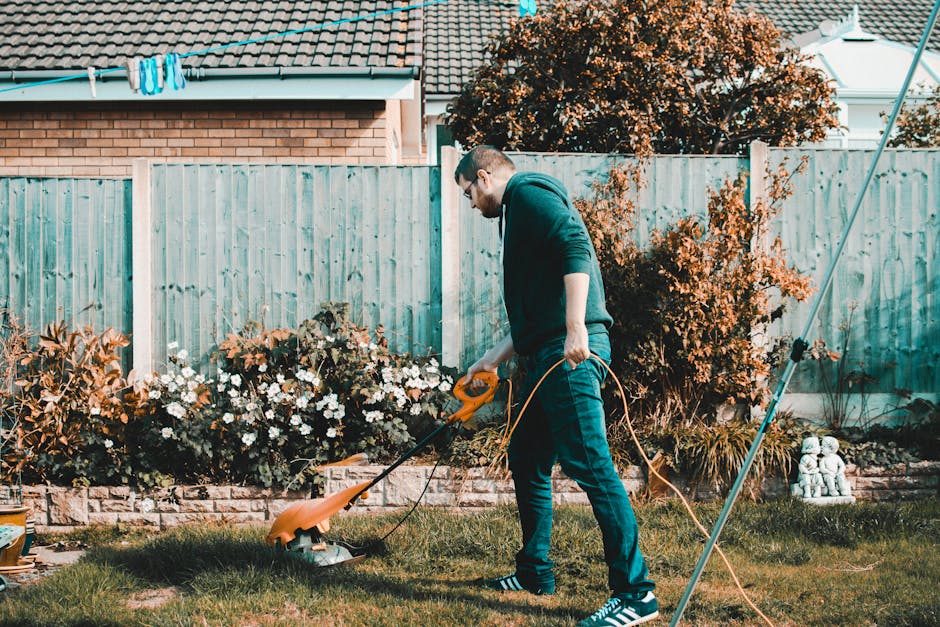
SM6 Wallington Garden Maintenance Guide for Terraced Homes
If you live in a terraced home in SM6, you probably know the garden can be a blessing and a puzzle at the same time. There is often not much space, the light changes through the day, fences need attention, and every inch has to earn its keep. This SM6 Wallington garden maintenance guide for terraced homes is here to make that easier. It covers the practical routines, common problems, seasonal jobs, and sensible decisions that help a small garden look tidy, healthy, and genuinely usable.
Terraced gardens in Wallington often sit somewhere between compact and awkward. They may be narrow, overlooked, shaded by neighbouring buildings, or split into a few very different zones. That is not a problem, to be fair. It just means maintenance needs to be a bit smarter, not just more frequent. Below you will find a clear, local-minded approach you can use whether you are doing the work yourself or comparing options for professional help.
Table of Contents
- Why SM6 Wallington garden maintenance guide for terraced homes Matters
- How SM6 Wallington garden maintenance guide for terraced homes Works
- Key Benefits and Practical Advantages
- Who This Is For and When It Makes Sense
- Step-by-Step Guidance
- Expert Tips for Better Results
- Common Mistakes to Avoid
- Tools, Resources and Recommendations
- Law, Compliance, Standards, or Best Practice
- Options, Methods, or Comparison Table
- Case Study or Real-World Example
- Practical Checklist
- Conclusion
- Frequently Asked Questions
Why SM6 Wallington garden maintenance guide for terraced homes Matters
A terraced garden is rarely a blank canvas. More often, it is a small outdoor room that has to do several jobs at once: somewhere to sit, somewhere for storage, maybe a strip for planting, perhaps a patch for children or pets, and ideally something that still looks calm rather than chaotic. In a place like Wallington, where homes can have compact rear gardens and shared boundaries, regular maintenance is what keeps all of that from drifting into a cluttered mess.
The reason this matters goes beyond appearance. Unchecked growth can block paths, reduce usable space, encourage damp around fences and paving edges, and make a garden feel smaller than it really is. A few weeks of fast growth in spring can be enough to turn a tidy terrace garden into a job that feels oddly overwhelming. We have all seen it: one weekend of rain, then a sunny spell, and suddenly the lawn has shot up and the borders are doing their own thing.
For terraced homes in SM6, maintenance also supports privacy and neighbourliness. Hedges, climbers, and fence lines sit very close to adjoining properties, so keeping them in shape helps everyone. It is a simple thing, but it makes a real difference in day-to-day living.
How SM6 Wallington garden maintenance guide for terraced homes Works
Garden maintenance for terraced homes is less about dramatic one-off tidy-ups and more about a rhythm. Think of it as a steady cycle: inspect, cut back, clear, feed, water, and reset. The best results come from small, regular actions rather than occasional rescue missions. That is especially true where access is narrow and storage is limited, because the easier the routine is, the more likely it is to happen.
A practical maintenance plan usually covers five core areas:
- Ground care - lawn mowing, edging, leaf clearance, and moss control where needed.
- Plant care - pruning, deadheading, tying in climbers, feeding, and watering.
- Boundary care - hedge trimming, fence-side clearance, and keeping overgrowth in check.
- Surface care - weeding paving, pressure-safe cleaning where suitable, and keeping paths clear.
- Waste and recycling - removing green waste responsibly and planning for seasonal cuttings.
The real trick is matching the maintenance to the garden layout. A long narrow yard with containers behaves differently from a shallow lawn with borders, and both are different again from a paved courtyard with a few raised beds. That is why a one-size-fits-all approach usually falls flat.
In practice, a good maintenance routine should leave the garden usable after each visit, not just neat in one corner and forgotten in another. If a service is being provided professionally, clarity matters too. It helps to know exactly what is included, what happens with waste, and how often visits are scheduled. If you are exploring support, the services overview is a useful place to see how different maintenance tasks can fit together.
Key Benefits and Practical Advantages
People often think of maintenance as purely cosmetic, but the best garden care in a terraced setting does much more than make things look smart. A well-kept garden feels easier to use, easier to enjoy, and easier to look after next time. That sounds obvious, maybe, but it is one of those things people notice immediately once it is done properly.
- Better use of limited space - tidy edges and controlled planting make a small garden feel larger.
- Healthier plants - regular pruning and feeding reduce stress and encourage better growth.
- Less conflict with neighbours - boundary plants stay under control, so overhang and encroachment are less likely.
- Safer access - paths, steps, and side returns stay clear and less slippery.
- Lower long-term effort - small jobs done often are easier than major catch-up work.
- Stronger curb appeal and resale feel - even a compact garden can look intentional and well cared for.
There is also a quieter benefit: a maintained garden tends to get used more. People sit outside longer, open the back door more often, and stop seeing the space as a chore. That is a real change. Not glamorous, just useful.
Expert summary: In terraced homes, the best maintenance is usually the most consistent one. Keep growth managed, surfaces clear, and the layout simple enough that the space feels calm rather than busy.
Who This Is For and When It Makes Sense
This guide is especially relevant if your garden is small, awkwardly shaped, heavily shaded, or close to neighbouring boundaries. It is also useful if you have inherited a garden that has become a bit much, or if work and family life have made regular upkeep difficult. Truth be told, that is most people at some point.
You may benefit from a structured maintenance approach if you:
- live in a terraced property with a narrow rear garden or courtyard;
- need a tidy, low-fuss outdoor space rather than a high-maintenance display garden;
- share fence lines or boundary planting with next-door properties;
- want to keep weeds, ivy, brambles, or overgrown hedging under control;
- are preparing to sell, rent, or simply get more enjoyment from the space;
- prefer a regular care plan instead of doing everything in one exhausting burst.
It makes sense year-round, but especially in spring and early summer when growth speeds up. That is when small problems quietly become big ones. A two-week delay can feel minor; in the garden, it rarely is.
Step-by-Step Guidance
Below is a practical approach you can use for a terraced garden in SM6. It is not about perfection. It is about getting the fundamentals right and keeping the garden stable.
1. Start with a clean reset
Before doing any pruning or planting, clear the obvious clutter. Remove broken pots, swept-up debris, dead annuals, old supports, and anything that is no longer serving a purpose. In small gardens, clutter behaves like a magnet. Once it starts, it spreads. A reset gives you a clear view of the space and stops you working around the mess.
2. Identify the garden's pressure points
Look for the parts that cause the most trouble: patchy lawn areas, weeds in paving joints, overhanging shrubs, waterlogged corners, or shady spots where moss keeps returning. You do not need to solve everything at once. Just identify what is draining time or making the garden look tired.
3. Prioritise boundaries and access
In terraced homes, fences, side returns, and paths often need more attention than the planting itself. Keep access routes clear and make sure climbers are trained properly. If a shrub is squeezing the path or brushing against a fence, cut it back before it becomes a bigger job.
4. Build a realistic mowing and edging routine
If there is a lawn, keep it short enough to look intentional but not scalped. Clean edging makes even a modest lawn look better. If the lawn is small, a few careful passes can be better than aggressive cutting. And yes, one accidental mow too low can make everything look a bit tragic for a week or two.
5. Manage weeds before they spread
Weeds are easier to remove when young. In paved gardens, check gaps, corners, and the base of walls. In borders, remove weeds after rain when soil is softer. Try to take them out before they set seed. That one habit saves a lot of future effort.
6. Prune for shape, light, and airflow
Terraced gardens often need careful pruning rather than heavy cutting. Remove dead, crossing, or overcrowded growth. Let more light into shaded corners where possible. If a shrub is becoming too dominant, reduce it gradually over more than one session rather than hacking it back in one go.
7. Feed, water, and mulch sensibly
Once the structure is under control, help plants recover and stay healthy. Containers may need more frequent watering than borders, especially during dry spells. Mulch can help retain moisture and suppress weeds, but do not pile it against stems or trunks. A little care here goes a long way.
8. Finish with waste removal and a final sweep
The last ten percent matters more than people think. Bag up cuttings, sweep paths, and check that gates, bins, and storage areas still work smoothly. A clean finish makes the whole space feel better, almost finished, and that feeling encourages people to keep it that way.
Expert Tips for Better Results
Small terraced gardens reward a light but disciplined touch. Here are a few things that make maintenance easier in the real world.
- Use repetition wisely - if a task becomes annoying, make it smaller and do it more often.
- Group plants by need - thirsty pots together, shade-loving plants together, and so on. It simplifies watering.
- Think vertical - in a small space, wall planters, climbers, and trellises can add greenery without stealing floor area.
- Keep one clear focal area - a seat, a pot cluster, or a small bed can anchor the design and stop the space feeling busy.
- Watch the light - many terraced gardens get either full sun for a short window or deep shade for much of the day. Plant accordingly.
- Stay on top of the first flush of growth - the first spring surge is the moment to act, not after everything has run away with itself.
A little humour helps too. Gardens have a way of reminding you who is in charge. Usually not you. But with steady care, the balance shifts back.
If you want your maintenance to feel more efficient, align it with the rest of your home routines. For example, set garden checks around bin day or a weekend morning. It sounds almost too simple, but habits beat enthusiasm most weeks.
Common Mistakes to Avoid
Terraced gardens are often spoiled by avoidable habits rather than difficult problems. The most common ones are pretty predictable, though that does not make them less irritating.
- Letting pruning slip until everything needs a heavy cut - frequent light pruning is far better than infrequent drastic cutting.
- Ignoring boundaries - one side can quickly become a neighbour issue if climbing plants or shrubs are left unchecked.
- Using the wrong plants for the light level - this leads to constant disappointment and more maintenance than expected.
- Overwatering containers - especially in shaded gardens, this can leave roots struggling rather than thriving.
- Leaving waste piled up - cuttings rot, attract pests, and make a tidy garden look unfinished.
- Trying to do everything in one visit - small gardens are best handled in stages. Much less stressful.
Another common issue is over-designing the space. In a terraced garden, too many materials, too many pots, and too many different planting styles can make the space feel smaller. Simpler layouts usually age better, and they are kinder to maintain. That is the honest truth.
Tools, Resources and Recommendations
You do not need a huge collection of equipment to maintain a terraced garden well. In fact, fewer tools with better discipline is usually the better call.
| Tool / Item | Best Use | Why It Helps in a Terraced Garden |
|---|---|---|
| Hand shears or secateurs | Pruning shrubs, deadheading, and light shaping | More precise in tight spaces than large tools |
| Lightweight mower or manual cutting tool | Small lawn care | Easy to manoeuvre where access is limited |
| Weed puller or hand fork | Removing weeds from borders and paving | Targets growth without disturbing nearby plants too much |
| Rake and stiff broom | Leaf and debris removal | Ideal for keeping paths and patios clear |
| Watering can or hose with controlled spray | Container and border watering | Lets you avoid overwatering and wasted runoff |
| Gloves and sturdy trug | General maintenance and cuttings collection | Makes repeated small jobs easier and cleaner |
For people who prefer a professional service, it helps to look at practical support as a package rather than a one-off task. That might include routine maintenance, seasonal tidy-ups, pruning, waste removal, and general garden recovery. A transparent provider should also be clear about pricing and quotes, as well as what is or is not included in the job.
Good support also means clear working practices. If someone is handling tools, ladders, or waste on your property, you want confidence in their approach to health and safety and insurance and safety. That is not paperwork for paperwork's sake. It is about peace of mind.
And if you care about what happens to the green waste, ask about reuse and disposal practices. Responsible handling matters, especially where cuttings are frequent. You can also review a provider's approach to recycling and sustainability if that is important to you.
Law, Compliance, Standards, or Best Practice
For most homeowners, garden maintenance is straightforward, but there are a few sensible standards to keep in mind. If trees, hedges, or plants are near shared boundaries, it is best practice to avoid encroaching onto neighbouring property or blocking access. If overgrowth becomes an issue, communication is usually the cleanest first step. It is just better neighbour management, really.
When hiring someone to work on your garden, check that the service provider has clear terms, a fair payment process, and understandable procedures for complaints or service issues. That should be easy to find and easy to read. For example, the provider should make their terms and conditions and payment and security information clear, alongside a visible complaints procedure if things do not go as planned.
If you are comparing companies, trust signals matter. A proper about us page, accessible contact details, and service information are all reassuring. You should also be able to understand how your data is handled through the privacy policy and cookie policy, and whether the website is usable through an accessibility statement. None of that trims a hedge, of course, but it does tell you a lot about professionalism.
Options, Methods, or Comparison Table
Terraced home gardens are often managed in one of three ways: fully DIY, mixed DIY with occasional professional help, or regular professional maintenance. The right choice depends on time, confidence, and how complicated the garden has become.
| Approach | Best For | Pros | Trade-Offs |
|---|---|---|---|
| DIY maintenance | Smaller, simpler gardens and confident owners | Low direct cost, flexible timing, full control | Can become inconsistent, time-consuming, or physically demanding |
| Mixed approach | Busy households with manageable gardens | Good balance of cost and support, useful for seasonal jobs | Requires planning and clear task boundaries |
| Regular professional maintenance | Gardens needing ongoing care or recovery | Consistent standards, less stress, better long-term control | Higher ongoing spend than DIY |
In many SM6 terraced homes, the mixed approach is the sweet spot. You can handle quick watering, light tidying, and the odd deadhead, while getting help for pruning, clear-outs, or seasonal resets. That works particularly well if the garden has become a bit unruly or you simply want your weekends back.
Case Study or Real-World Example
Consider a typical Wallington terraced back garden: a narrow paved area at the house, two large containers by the back door, a small lawn strip, and border planting along one fence. At first glance it looks simple. Then life happens. Pots dry out, the lawn edge goes fuzzy, one climber leans into the fence, and weeds start appearing in the paving joints.
The turning point is usually not a massive overhaul. It is a focused reset. First, the clutter is removed and the paving is swept. Then the boundary plants are cut back just enough to restore shape and light. The lawn is trimmed and edged properly. The containers are regrouped so watering takes less time. Finally, a mulch or fresh top dressing helps the borders look finished.
What changes after that is not just the appearance. The garden becomes usable again. The back door opens onto a space that feels deliberate. You notice the sound of the evening birds more, the smell of damp earth after rain, and the simple relief of not having to step around old cuttings. Small thing? Maybe. But people feel it straight away.
That kind of outcome is exactly why structured maintenance matters. It gives the garden back to the household, instead of letting the garden set the terms.
Practical Checklist
Use this checklist for seasonal or monthly terraced garden maintenance in SM6.
- Clear obvious litter, fallen leaves, and dead plant material.
- Check paths, steps, and access points for moss or slippery buildup.
- Trim overhanging growth from fences, borders, and climbers.
- Remove weeds from paving joints and border edges.
- Mow or tidy the lawn, then define the edges.
- Water containers and dry-border plants based on weather and shade.
- Deadhead flowers and remove damaged stems.
- Inspect pots, supports, and ties for wear or instability.
- Collect and remove green waste so it does not linger.
- Look for anything affecting a neighbour boundary and address it early.
Quick reality check: if you only do three things, do the edging, the weeds, and the boundary growth. Those three usually change the whole feel of a small terraced garden more than people expect.
Conclusion
Terraced gardens in SM6 do not need to be large to be lovely. They need structure, regular attention, and a plan that fits the space rather than fighting it. Once you understand how growth, boundaries, shade, and access work together, garden maintenance becomes much less stressful and far more rewarding.
The best approach is the one you can actually keep up with. Keep it steady, keep it simple, and do not wait until the garden has turned into a weekend-eating monster. If you want to compare support options, explore the services overview or take a look at the team's contact page to talk through what your garden needs.
Get a free quote today and see how much you can save.
And if you are still deciding, that is fine. A well-kept small garden is built one sensible step at a time, not all at once. That is the nice part, really.
Frequently Asked Questions
How often should a terraced home garden in SM6 be maintained?
For most small terraced gardens, a light weekly or fortnightly routine works well in the growing season, with bigger tidy-ups at the start of spring, mid-summer, and autumn. If the garden is mostly paved or heavily shaded, you may need less mowing but more weeding and sweeping.
What is the best maintenance routine for a narrow Wallington garden?
The best routine is usually simple: keep access clear, control boundary growth, tidy weeds early, and keep planting compact. Narrow gardens benefit from regular small tasks rather than occasional big jobs, because once they get out of hand they feel twice as difficult.
Is professional garden maintenance worth it for a small terraced house?
Yes, if time is tight, the space has become overgrown, or you want consistent results without giving up weekends to it. Many homeowners use a mixed approach, handling light tasks themselves and bringing in help for pruning, clearance, and seasonal resets.
What plants work best in SM6 terraced gardens?
That depends on the light and how much care you want to give them. In many terraced gardens, compact shrubs, shade-tolerant perennials, climbers, and container plants work well. The best choices are usually ones that suit the exact conditions rather than the prettiest label on the pot.
How do I stop my small garden looking cluttered?
Reduce the number of different plant types, keep one or two clear focal points, and avoid filling every corner with pots. Clean edges and consistent spacing do more for a small garden than lots of decorative extras. Less can genuinely be more here.
Do I need to worry about overhanging plants from a shared boundary?
Yes, especially in terraced homes where space is tight and boundaries are close. Keep an eye on any growth that crosses into neighbouring space and deal with it early. It avoids friction and keeps the garden easier to maintain overall.
What should be included in a regular garden maintenance visit?
A sensible visit would usually include mowing or tidying the lawn, edging, weeding, pruning where needed, sweeping paths, and clearing waste. Depending on the garden, it may also include hedge trimming, border care, or container watering.
How do I choose between DIY and a professional gardener?
Choose DIY if the garden is simple, you enjoy the work, and you can keep up with it. Choose professional help if the space is too demanding, has become overgrown, or you want reliable ongoing care. A mixed approach often works best for busy households.
Can a gardener help with recycling and green waste disposal?
Yes, many maintenance services include waste removal as part of the job or can organise it as an added service. If that matters to you, ask in advance and check the provider's approach to recycling and sustainability before booking.
What should I ask before booking garden maintenance?
Ask what is included, how often visits are recommended, how waste is handled, whether the team is insured, and how pricing works. It is also worth checking their insurance and safety information so you know what standards they work to.
When is the best time of year for a major garden tidy-up?
Spring is often the most useful time because you can reset the garden before growth peaks. Autumn is the other big moment, when leaf clearance, cutting back, and preparing for winter make a noticeable difference. That said, an overgrown garden never really waits politely for the right season.
How can I get a quote for garden maintenance?
The simplest step is to use the provider's pricing and quotes page or contact them directly with a clear description of your garden, its size, and the kind of help you need. The more detail you give, the easier it is to get a realistic quote.