Recycling and Sustainability for Gardeners Wallington
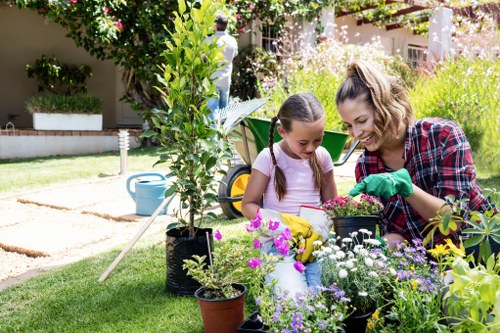 Gardeners Wallington is committed to creating an eco-friendly waste disposal area and a thriving sustainable rubbish gardening area for the whole community. Our local approach balances everyday gardening waste with city-wide recycling ambitions, helping Wallington gardeners reduce landfill, increase reuse and cut carbon. This page outlines targets, local transfer stations, charity partnerships, and transport measures that make low-impact gardening both practical and measurable.
A clear target keeps action focused. We propose a borough-level recycling percentage target of 65% by 2028 for garden and household waste collected from Gardeners in Wallington. That target is ambitious but achievable when combined with household sorting, community compost hubs, and increased reuse. By using consistent, simple messages for Wallington gardeners — separating food, garden organics, dry recycling and residual waste — we can move the dial quickly.
Local transfer stations and collection points
The success of any sustainable rubbish gardening area depends on practical infrastructure. Wallington benefits from nearby transfer stations and civic amenity sites where gardeners can deposit:- garden organics and wood chippings;
- clean soil and rubble from small DIY garden projects;
- bulky items suitable for reuse or repair.
How the borough approaches waste separation
The London Borough of Sutton and neighbouring authorities have established separation systems that help Gardeners Wallington succeed. Typical curbside schemes split collections into: food waste, garden waste, mixed recycling (paper, glass, metal and hard plastics) and residual rubbish. Following the borough model, Wallington gardeners are encouraged to keep garden organics free of plastics and to use compostable liners where available. Small behavioural shifts like rinsing containers and keeping compost tidy dramatically increase processing efficiency. A sustainable rubbish gardening area requires dependable transfer logistics. Local transfer stations accept segregated streams and send them to specialised processing facilities — anaerobic digestion for food, in-vessel composting for green waste, materials recycling facilities (MRFs) for dry recyclables, and energy recovery for residuals. These steps ensure the majority of collected material is diverted from landfill and turned into useful outputs: compost, mulch, recycled glass and metals, and low-carbon energy.
To support reuse, Gardeners Wallington encourages partnerships with charities and social enterprises that take usable garden tools, planters and furniture. Donated items extend product lifespans and support local causes. Partner organisations often offer collection or drop-off points at community events, linking sustainable waste streams with social benefit. Examples of typical charity partners include those that accept working tools and plants for resale or community projects — turning potential waste into resources.
 Low-carbon transport is central to a low-impact scheme. Gardeners Wallington operates a fleet of low-emission vans, prioritising electric and plug-in hybrid vehicles for collections and deliveries within the town. These low-carbon vans reduce particulate and CO2 emissions on narrow residential streets and make frequent short trips for garden waste collection much cleaner. Wherever possible, routing is optimised to minimise mileage and maximise load efficiency.
To hit the recycling percentage target and maintain a leading sustainable rubbish gardening area, we combine infrastructure with incentives: subsidised compost bins, community compost hubs, seasonal bulky waste amnesties, and reuse fairs that steer good-quality items to charity desks rather than the skip. Education campaigns explaining what goes in each stream are kept concise and localised so Wallington gardeners can adopt the right habits quickly.
 Collaboration is key. Working with local housing associations, allotment societies, schools and community groups extends reach and normalises high recycling rates. Strong partnerships with regional transfer stations and established charities ensure that materials have a clear, sustainable route: organics to compost, timber to mulch, metals and glass to MRFs, and reusable items to charity shops or community reuse networks. Together, these elements form the backbone of a resilient, low-waste gardening culture in Wallington.
Practical tips for gardeners in Wallington include keeping a small counter-top caddy for food scraps, a labelled garden bin for cuttings, and a maintenance plan to prevent contamination of recyclable loads. For shared spaces like allotments, set up central collection points and arrange periodic runs with low-emission vans to local transfer stations to keep the area tidy and efficient. These steps support the borough approach to waste separation and move the community towards our 65% recycling goal.
Finally, monitoring and reporting build trust. Gardeners Wallington supports annual public reporting on progress against the recycling percentage target and the carbon savings from low-carbon vans and diverted waste. Tracking volumes of organics, reused items, and recyclables helps prioritise further investments in the eco-friendly waste disposal area and expands the sustainable rubbish gardening area to neighbouring communities.
By combining clear targets, practical transfer facilities, charity partnerships, and an emphasis on low-carbon vans, Gardeners Wallington can set the standard for responsible, resilient gardening. Our vision is simple: reduce waste, reuse what we can, recycle the rest, and do it with the smallest possible carbon footprint. Together, Wallington gardeners can make every garden part of a circular, low-impact local economy.

